Skip to content
Module 2: Sculpting Potential — Empowerment Program for Young People with Visual Impairments
Introduction and Learning Objectives
Topic 1: Basic Notions for Recognising and Identifying Visual Impairment
Expand
Topic 1: Basic Notions for Recognising and Identifying Visual Impairment
5 Topics
Blindness vs. Low Vision — Not the Same Thing
Visual Impairment Categories
WHO Assessment of Low Vision Tool
The Two Big Differences
Video: Understanding Visual Impairment
Topic 2: Strategies for Autonomy and Independence
Collapse
Topic 2: Strategies for Autonomy and Independence
4 Topics
A Precious Ally: The White Cane
The Guide Dog
Braille
Assistive Technologies for Blind and Low Vision People
Topic 3: Myths About Blindness and Low Vision
Topic 4: Vademecum for Communicating with a Blind or Visually Impaired Person
Expand
Topic 4: Vademecum for Communicating with a Blind or Visually Impaired Person
2 Topics
Respect, Discretion and Assistance
Remember
Topic 5: How to Guide a Blind or Visually Impaired Person
Expand
Topic 5: How to Guide a Blind or Visually Impaired Person
5 Topics
Identifying the Guide
Starting, Stopping and Narrow Passages
Passing Through Doors
Stairs and Level Changes
Pointing to Objects and Bathroom Guidance
Topic 6: Tactile Exploration and Mental Representation of the Image
Expand
Topic 6: Tactile Exploration and Mental Representation of the Image
4 Topics
Video: The DeafBlind Potter
Tactile Exploration Principles
Workshop Setup and Object Management
Accessible Ceramics Workshop Checklist
Activity: Test Your Knowledge
Previous Topic
Next Topic
Enter
Presenter Mode
Exit
Presenter Mode
Braille
Module 2: Sculpting Potential — Empowerment Program for Young People with Visual Impairments
Topic 2: Strategies for Autonomy and Independence
Braille
Braille
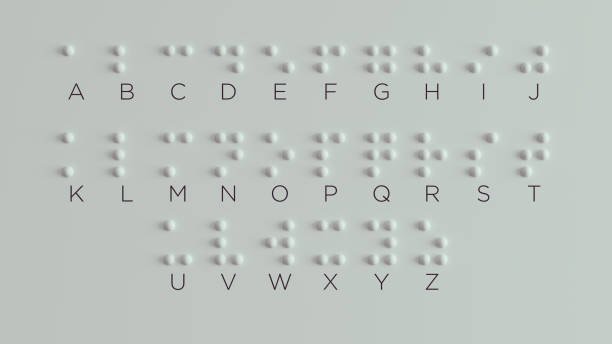
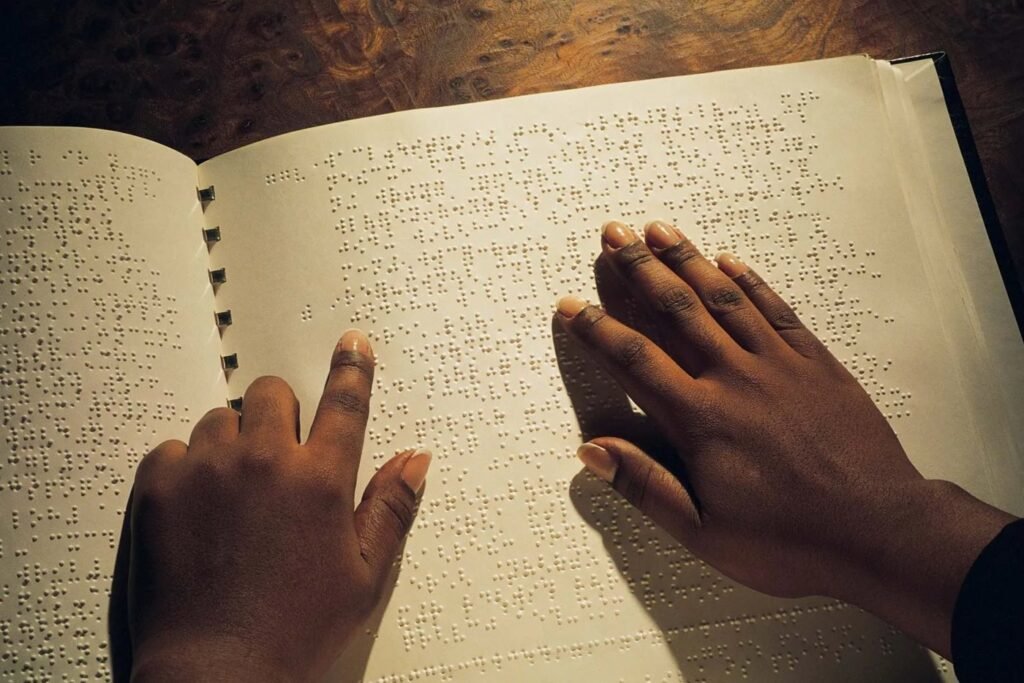
Dots in relief, read with the fingertips.
A reading and writing system invented in 1821 by Louis Braille
Based on a 6-dot cell that can be combined into 63 different characters
Used worldwide for alphabets, numbers, punctuation, music notation and even mathematics
Still essential today, even with modern technology, because it promotes literacy, independence and equal access
Often combined with Braille displays and screen readers for digital access
Previous
Previous Topic
Next
Next Topic
Back to Course
Login
Accessing this course requires a login. Please enter your credentials below!
Username or Email Address
Password
Remember Me
Lost Your Password?