Introduction and Learning Objectives
This module accompanies Sculpting Potential, an empowerment programme for young people with visual impairments. It brings together the practical knowledge youth workers, artists and educators need in order to work confidently and respectfully with blind and low vision participants — with a particular focus on ceramics.
Learning Objectives
By the end of this module, participants will be able to:
- Understand the distinctions between blindness and low vision, recognise different types and degrees of visual impairment, and appreciate the variability in visual perception.
- Describe strategies and tools that visually impaired individuals use to maintain autonomy — including white canes, guide dogs, Braille and assistive technologies — and recognise the impact of architectural and sensory barriers.
- Communicate effectively and respectfully with blind or visually impaired people, applying principles of clarity, empathy and appropriate guidance.
- Guide and accompany visually impaired individuals safely, using correct accompaniment techniques and verbal or physical communication as needed.
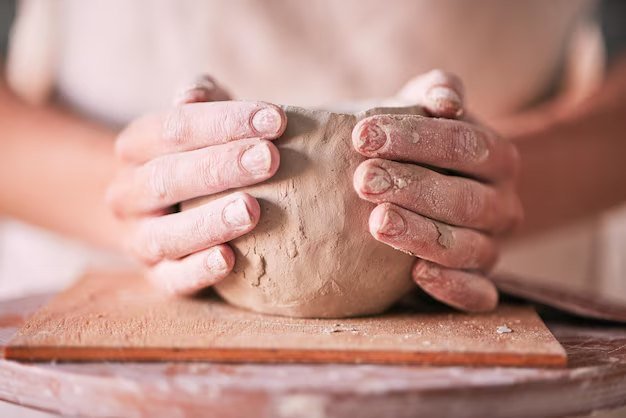
- Understand the role of tactile perception in constructing mental images and spatial representations, and apply tactile exploration techniques, particularly in artistic contexts like ceramics.
- Facilitate accessible and inclusive learning and creative environments by organising workspaces, adapting activities and promoting engagement, independence and safety.
- Promote respect, autonomy and inclusion, recognising the strengths and capabilities of visually impaired individuals while supporting empowerment and social participation.